
One screen, full control: mastering account movements with open banking
Dozens of accounts across different banks, transactions piling up daily, collections and payments chasing each other — all on one screen.
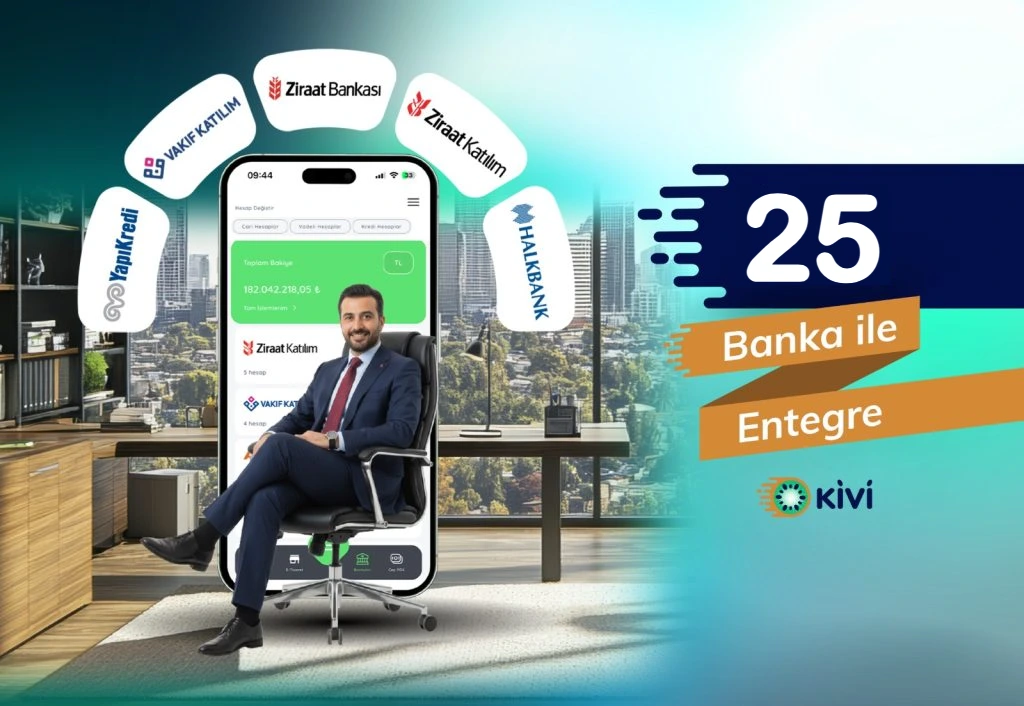
Most finance teams do not have a data problem. They have a collection problem: the data exists, but it sits in five banking portals, three exports and one spreadsheet that somebody rebuilds every morning. Open banking removes that step.
What open banking actually gives you
Under open banking standards, a business can authorise a licensed provider to read its account information and, where permitted, initiate payments. The authorisation is explicit, scoped and revocable. In practice it means three things:
- Balances in one total. Every account across every bank, refreshed continuously rather than at month end.
- Transactions in one format. Each bank exports differently; a normalised feed gives you the same fields everywhere.
- Payments where allowed. Tax, social security and supplier payments initiated from the same screen you monitor.
Why it changes reconciliation
Reconciliation is expensive because matching is manual. When transactions arrive with stable fields and a reference, they can be matched to open invoices automatically — and the only work left is the exceptions. Teams that make this switch typically stop reconciling and start reviewing differences.
What to check before you connect
- Read-only by default. Account information and payment initiation are separate consents; start with the first.
- No credential storage. Your bank login should never be held by the software.
- Audit trail. Every read and instruction should be logged, with exports for your auditor.
- Coverage. The value depends on how many of your banks are supported.
How Kivi does it
KiviBANK aggregates accounts across 25+ banks into one balance and one transaction feed. Incoming payments are matched to open invoices, customer balances close themselves, and tax and social-security liabilities can be queried and paid from the connected account. Kivi AI classifies unusual transactions and proposes the counterparty and document when the reference is incomplete.