
Everything about e-archive: a practical guide for businesses
Who must issue e-archive invoices, what the limits are and how it differs from e-invoice.
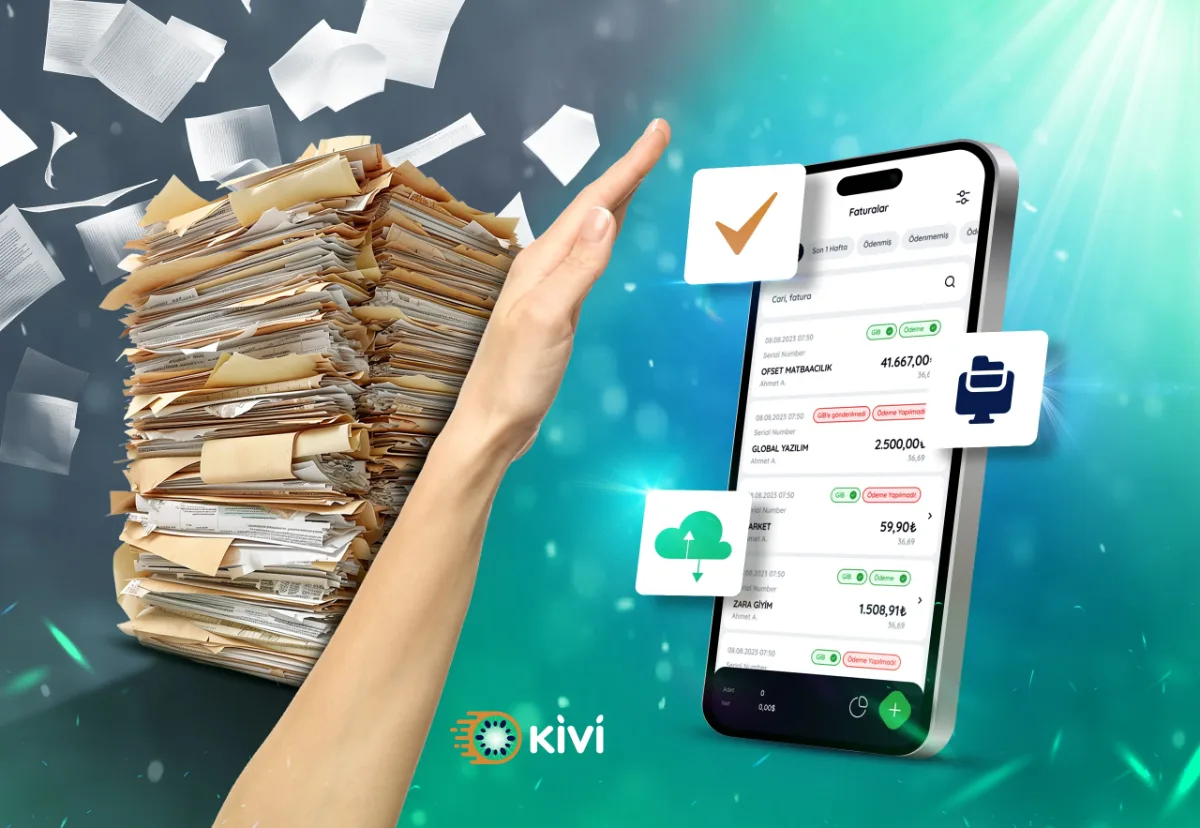
E-invoice and e-archive are often used interchangeably, and that confusion is where most compliance errors start. The difference is simple: e-invoice travels between registered taxpayers inside the system; e-archive is the electronic invoice you issue to everyone else — end consumers and businesses that are not registered.
Who issues e-archive
- Taxpayers already inside the e-invoice regime, for counterparties outside it.
- E-commerce sellers, for consumer sales.
- Businesses above the statutory sales thresholds, where the invoice must be electronic regardless of the buyer.
Delivery and archiving
An e-archive invoice can be delivered electronically (e-mail, portal, link) or on paper, but the original is the electronic record — and it must be preserved for the statutory retention period in a form that can be produced on request. Reporting to the authority follows a defined schedule.
Where businesses trip up
- Choosing the wrong document type for the counterparty — an e-invoice recipient must not receive e-archive.
- Missing thresholds that force electronic issuance even for small-value sales.
- Treating the PDF as the record rather than the signed electronic document.
- No process for cancellations within the allowed window.
How Kivi helps
Kivi checks the counterparty against the registry and picks the correct document type and series automatically, delivers by e-mail or link, keeps the archive with its signature intact and shows status — sent, delivered, cancelled — on one screen.