
Ready for 2026? E-invoice obligation arrives and physical POS enters a new era
The end of paper invoices and a new era for physical POS devices: two headlines every business needs to plan for.
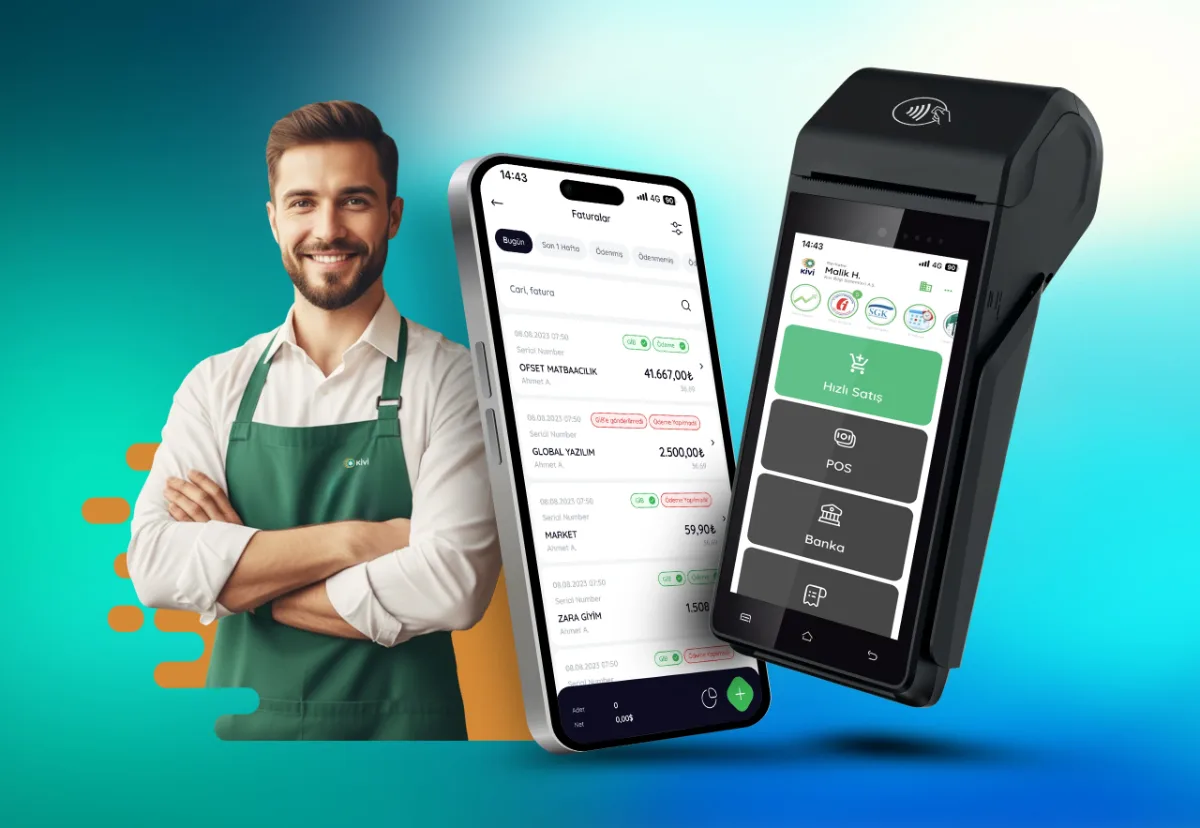
Two regulatory tracks are converging in Türkiye. The first lowers the threshold for mandatory electronic invoicing, pulling in businesses that still issue paper. The second ties payment terminals to the e-document system, so a card payment and its receipt stop being separate events.
What changes with mandatory e-invoicing
- Paper and hand-written invoices leave circulation for businesses inside the threshold.
- Documents are issued in a validated format, sent through an authorised channel and archived electronically.
- Cancellations, objections and responses have defined windows — the process, not just the document, becomes digital.
What changes for physical POS
New-generation payment terminals must produce the statutory document at the moment of payment. Practically, the terminal and the accounting system need to speak to each other: the sale, the card transaction, the receipt and the ledger entry must reconcile without human copying.
A practical preparation plan
- Confirm your status. Check whether your turnover or sector brings you inside the obligation this year.
- Get the credentials. Financial seal or e-signature, plus registration with the authority.
- Clean the master data. Tax numbers, addresses and product codes cause most rejections.
- Connect the terminal. Choose a POS setup that posts transactions into your accounting automatically.
- Run a parallel month. Issue electronically while reconciling against your old process before you switch off.
How Kivi helps
Kivi issues e-invoice, e-archive, e-dispatch and e-producer documents from one screen: the document type and series are selected automatically, sending and status are tracked, and KiviPAY connects virtual, Soft and physical POS so each collection lands matched to its document and posted to the ledger.