E-Ledger Guide: What It Is, Why It Matters, Benefits and Tips
{{ post.desc }}

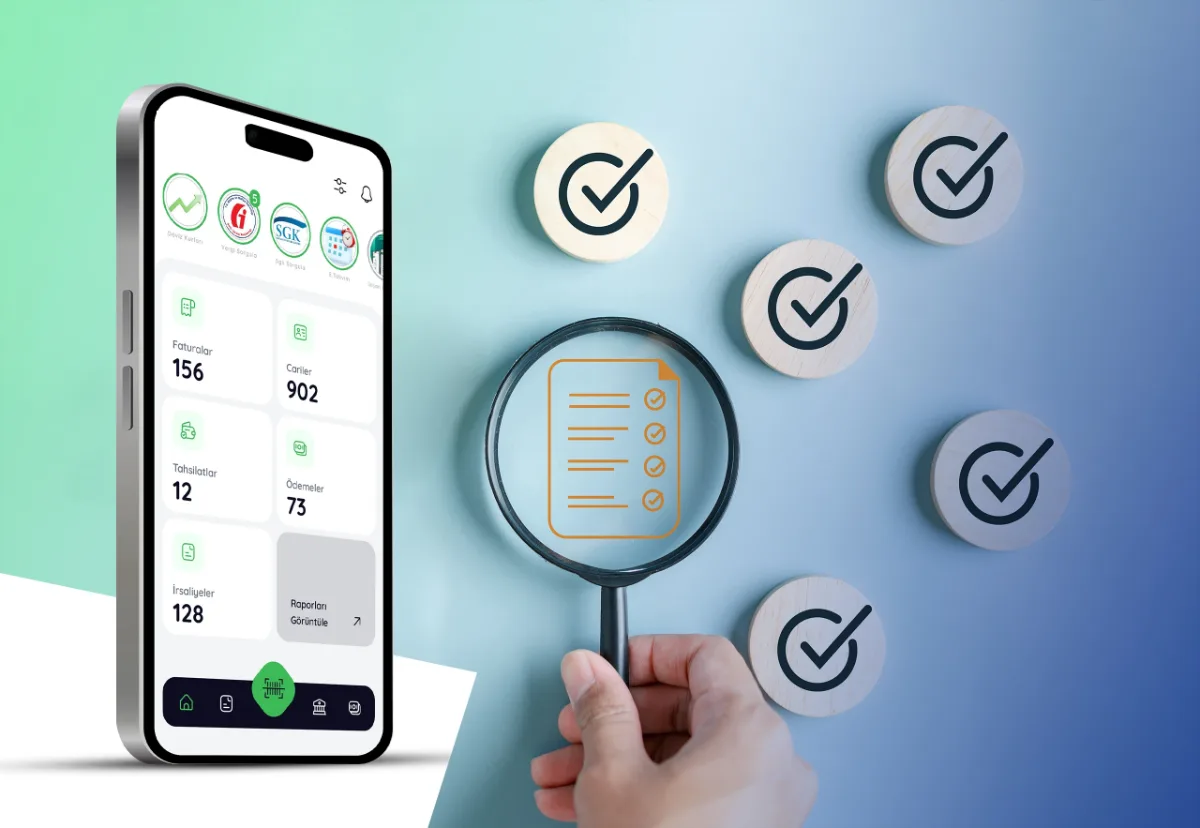
The e-ledger is the statutory books (journal and general ledger) created and stored in a tamper-proof, verifiable form elektronik ortamda under revenue administration standards. The aim is to move accounting records into a secure, auditable and always-accessible digital structure.
Why does the e-ledger matter?
- Legal validity and integrity: A fiscal seal and time stamp prove the records have not been altered afterwards.
- Standardisation: The ledger structure and process steps are the same nationwide, which makes reporting and audit easier.
- Accessibility: Years of archive are reachable in seconds.
- Operational efficiency: Paper, printing and archiving costs fall, and closing gets faster.
- Audit readiness: Consistency and traceability improve.
Key benefits for businesses
Cost and time savings, less risk of error, transparent cash flow and reporting, sustainability, and secure cloud storage with permission-based access from different locations.

The e-ledger with Kivi: compliance and operations on one screen
- Compliant generation and the certification calendar: Automatic reminders mean you never miss a period.
- Smart checks: Duplicate voucher alerts, account code matching and period consistency tests.
- Open banking integration: See bank transactions on one screen and turn them into records.
- E-invoice, e-archive and e-ledger together: A complete view from sale to collection, from ledger to report.
- Collaboration: Secure access with your accountant, audit trails and user permissions.
How the e-ledger and e-invoice relate
The e-invoice and the e-ledger are two digital structures that complete each other. E-invoice data flows into the e-ledger automatically, removing manual entry and the risk of error, speeding up audits, making reporting transparent — and both systems are fully compliant with revenue administration standards.
What to watch for when applying and migrating
- Check the scope and the mandatory threshold.
- Complete your fiscal seal and e-signature preparation.
- Choose software that is compliant and offers an integrated ecosystem.
- Standardise your chart of accounts and voucher types.
- Stick to the period close calendar and the certification upload checks.
- Set a retention policy with both cloud and local backups.
- Strengthen security with user roles and two-factor authentication.
- Train your team and double-check during the first periods.
Year-end closing tips
- Prepare the closing vouchers so every account is closed at period end.
- Complete certification uploads before the official deadlines.
- Run the checks for duplicate vouchers, incorrect account codes and inconsistent balances.
- Keep year-end books in both cloud and physical backups.
Kivi ipucu: Kivi’s automatic checks detect and report errors before closing, so you can review everything safely before uploading the certification.
Conclusion
The e-ledger is not just “paper made digital” — it is the foundation of fast reporting, transparency and a culture of audit readiness. Manage the migration and the daily flow on one screen with Kivi.